To care for a big dog in cold weather, match the outing to the coat rather than to the dog size. Thick double coated breeds handle freezing temperatures well and mainly need paw care and dry bedding. Short coated, lean or giant breeds, along with puppies and seniors, get cold far faster and do better with shorter, more frequent outings and a coat that covers the chest and belly. Wipe paws after every walk to remove ice melt salt, put down traction indoors, keep beds off cold floors and away from draughts, and bring your dog in as soon as you see shivering, lifted paws or a reluctance to keep walking.
Big dogs have a reputation for being weatherproof, and some of them genuinely are. A Malamute in a snowstorm is in its element. But size is not the same as cold tolerance, and plenty of large breeds are far less equipped for a hard winter than their bulk suggests. A lean short coated giant loses heat quickly, an older big dog takes longer to warm up and move freely on a cold morning, and every big dog in a salted neighbourhood comes home with something on its paws worth wiping off. This guide covers what changes in winter, which dogs need the most help, and the small daily habits that keep a large frame comfortable until spring.
How do I care for a big dog in cold weather?
Start with the coat, the age and the build rather than the breed name. A dog with a thick double coat, good body condition and no age related mobility changes can usually enjoy a normal walk in freezing weather with nothing more than a paw wipe afterwards. A short coated, lean, very young, very old or recently unwell dog needs shorter outings, a coat that covers the chest and belly, and a close eye on the first signs of getting cold. Then handle the four things winter changes for every big dog regardless of coat. Paws pick up salt and ice, floors and ground get slippery, beds get colder, and daily calorie needs can shift if activity levels change.
Which big dogs handle the cold, and which do not
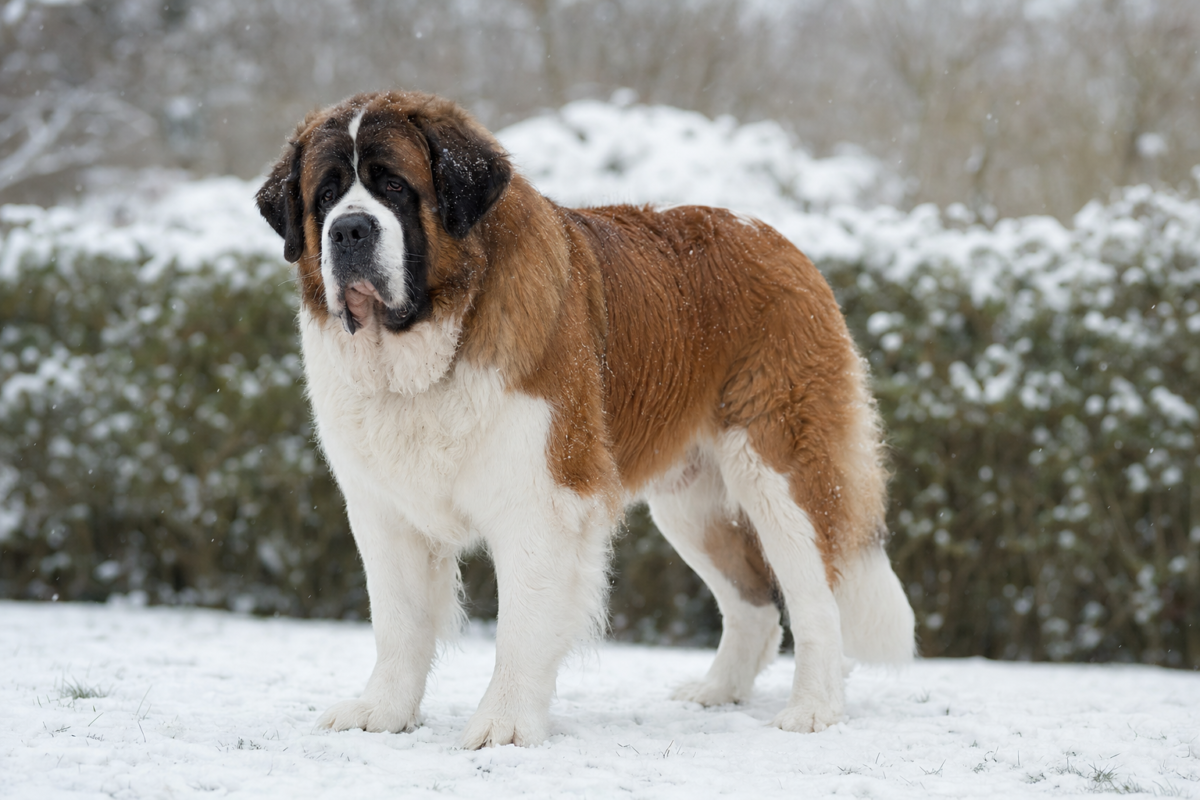
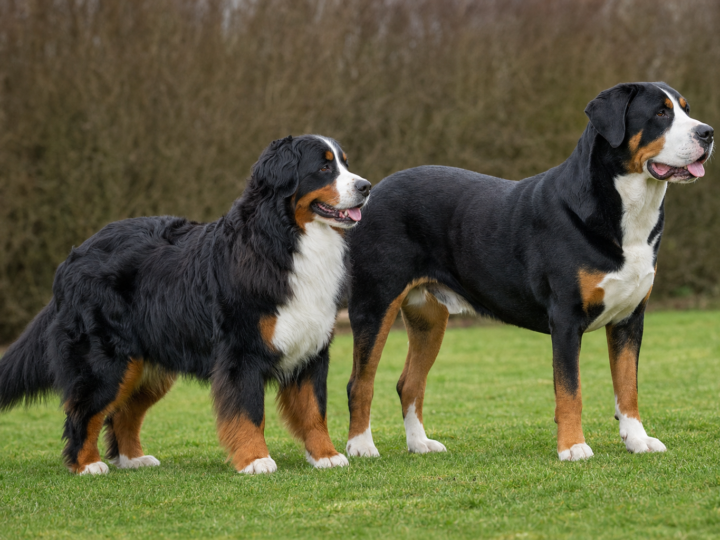
Coat type does most of the work here. A double coat is two layers, a dense insulating undercoat beneath a weather resistant outer coat, and it is genuinely effective. Northern and mountain breeds such as the Alaskan Malamute, Great Pyrenees, Newfoundland, Saint Bernard and Leonberger were built for this weather and often prefer it.
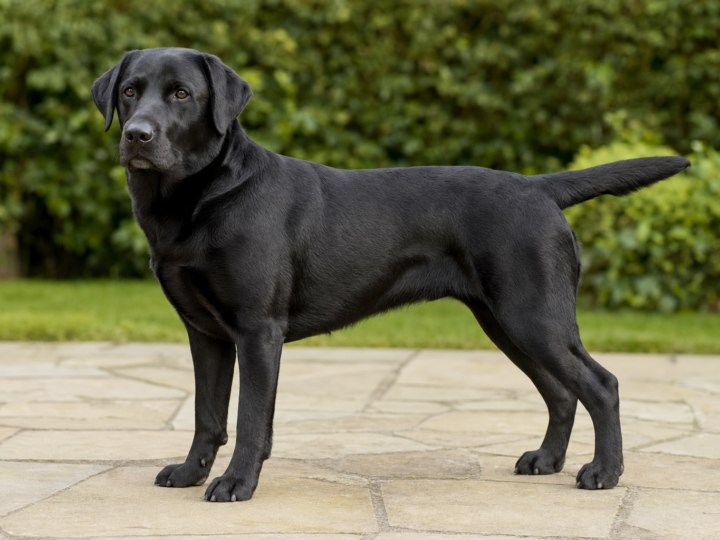
Single coated or thin coated large breeds are a different story. A Doberman, Boxer, Greyhound, Weimaraner, Great Dane or Rhodesian Ridgeback has very little insulation and often very little body fat, which is a poor combination in freezing air. These dogs are not fragile, but they do get cold quickly and they tell you so.
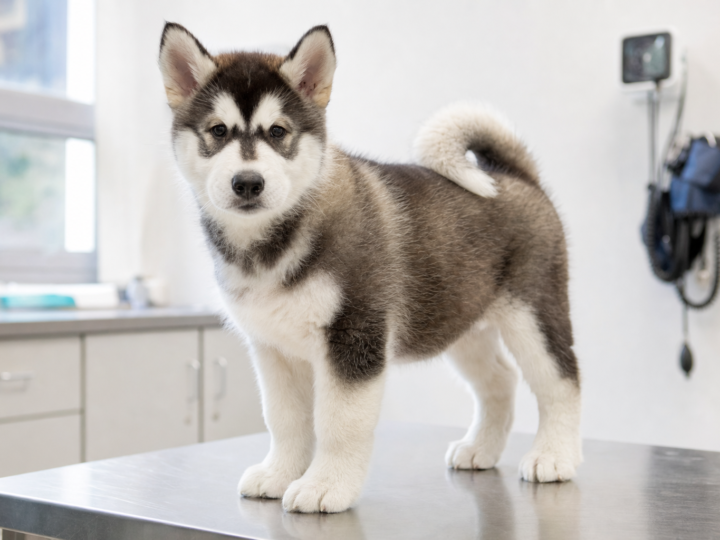
Three groups need extra care whatever their coat. Puppies have less body mass relative to their surface area and less ability to regulate temperature. Senior dogs lose heat more easily and may already move more carefully on cold, hard ground. And dogs recovering from illness or surgery have less reserve for a long outing in the wind.
A simple cold weather guide by coat type
These are general guides for a healthy adult dog, not rules. Wind and damp matter as much as the number on the thermometer, and a wet dog at 40 degrees can be more uncomfortable than a dry one at 20.
| Temperature | Thick double coat | Short or thin coat | Puppy or senior |
|---|---|---|---|
| Above 45 F | Comfortable | Comfortable | Comfortable |
| 32 to 45 F | Comfortable | Fine, watch a wet or windy day | Shorter outings, dry off afterwards |
| 20 to 32 F | Enjoys it | Coat on, keep walks brisk | Limit time out, coat on |
| 10 to 20 F | Fine, wipe paws | Short outings only, coat and paw care | Brief toilet breaks, then indoors |
| Below 10 F | Shorter outings, check paws closely | Toilet breaks only | Toilet breaks only, supervised |
Whatever the reading says, your dog is the better instrument. Shivering, lifting or shaking a paw, slowing down, tucking the tail, whining or simply turning for home all mean the outing is over.
Ice Melt Salt
Road and pavement salt irritates paw pads and is not something you want licked off. Wipe or rinse every paw after every walk.
Slippery Ground
Ice outside and wet floors inside are hard on a heavy frame. Add traction where your dog turns and gets up.
Antifreeze Spills
Antifreeze tastes sweet and is highly toxic in tiny amounts. Clean any garage spill at once and call your veterinarian immediately if you suspect a lick.
Frozen Water
Ice over a pond will not hold a 120 pound dog. Keep big dogs leashed near any frozen water.
Paw care is the winter job that matters most
Paws take the worst of a big dog winter. They are in direct contact with frozen ground, with salted pavement and with the ice that balls up between the toes of a furry footed breed. None of it is dramatic, and all of it is uncomfortable.
- Wipe after every outing. A damp cloth by the door takes ten seconds. It removes salt and grit before your dog licks it off.
- Trim the hair between the pads on long coated breeds. Snow balls up in that hair, then melts and refreezes, which is why some dogs suddenly start limping halfway round the block.
- Check the pads weekly for cracking, redness or splits, especially on a heavy dog putting real pressure through each foot.
- Consider a paw balm before walks if your pavements are heavily salted, and consider boots if your dog will tolerate them. Many big dogs will not, and that is fine.
- Keep nails short. Long nails change how a dog stands and make icy footing harder to manage.
Winter exercise for a big dog
Activity should not stop because the temperature dropped. It should change shape. Cold, hard, uneven ground is more demanding than summer grass, and darkness cuts the hours available, so the sensible pattern is shorter, more frequent and better lit.
- Swap one long walk for two or three shorter ones on the coldest days.
- Warm up gradually. A few minutes of easy walking before anything faster suits a big frame in cold air, and it matters more for older dogs.
- Avoid hard sprinting and sharp turns on frozen or icy ground, where a heavy dog has very little margin if a foot slides.
- For a growing puppy, the usual limits still apply. Cold does not change the fact that the growth plates are still open.
- Use indoor work on the worst days. Training, scent games, puzzle feeders and stair free movement all burn energy without going outside.
- Add visibility. A reflective harness or a light collar is not optional on a dark winter afternoon.
Our guide to low impact exercise for big dogs has more options for days when the ground is against you.
Bedding, warmth and the indoor setup
Most big dogs spend the majority of winter indoors, which makes the indoor setup the part worth getting right.
- Get the bed off the cold floor. Tile and concrete pull heat out of a dog lying on them for hours. A supportive bed with some loft between your dog and the floor is the single easiest change.
- Move beds away from draughts. Exterior doors, hallways and single glazed windows are colder than they feel at standing height.
- Add traction on the routes your dog uses. Runners across polished floors, a mat at the bottom of the stairs and a rug where your dog gets up all reduce slipping on a heavy frame.
- Keep water fresh and unfrozen. Dogs drink less when water is very cold, and winter air indoors is dry.
- Dry your dog properly after wet walks. A damp double coat takes a long time to dry on its own and a damp dog stays cold.
How to check body condition in ten seconds
Winter coats hide weight changes, in both directions. Activity often drops while meals stay the same, and a fluffy dog can gain noticeably before anyone sees it. Use your hands every couple of weeks.
- Ribs. Run your hands along the sides. You should feel the ribs easily under a thin covering rather than having to press through a layer.
- Waist. Look down from above for a clear waist behind the ribs.
- Tuck. From the side, the belly should rise toward the back legs rather than hanging level.
If the ribs are getting harder to find, trim portions slightly rather than waiting for spring. Our guide to how much to feed an adult large dog covers the adjustment, and your veterinarian can confirm the right amount for your individual dog.
Supporting comfortable movement through the cold months
Plenty of big dog parents notice that winter mornings take their dog a little longer. The floors are colder, the ground is harder, activity is often lower, and a large frame carries a lot of weight through every joint when it gets up. Warm bedding, good traction and steady gentle movement all help, and they matter most for older dogs and for the very large breeds.
A daily joint support routine is the habit many parents keep going all year for exactly this reason. MoveGuard Adult supports comfortable movement in fully grown large and giant breeds, while MoveGuard Growth is built for the roughly 8 to 30 month growth window in a young big dog. Both combine nine actives, including 250mg of New Zealand Green Lipped Mussel, glucosamine, chondroitin, MSM, krill oil and hyaluronic acid, to support cartilage, connective tissue and healthy joints. You dose by weight, they ship as 90 chews made in the USA in an NSF certified facility, and both carry a 60 day guarantee. Pair the routine with the daily habits above and winter gets easier on a big frame.
Support Comfortable Movement
Keep a daily joint support routine going through the cold months. Explore MoveGuard Adult.
Signs your big dog is too cold
Dogs are not subtle about this once you know what to watch for, and the early signs appear well before anything serious.
- Shivering or trembling, which is the clearest early signal.
- Lifting, shaking or licking a paw mid walk.
- Slowing down, hunching, tucking the tail or turning toward home.
- Whining, or an unwillingness to settle once back indoors.
- Seeking heat sources and staying pressed against them.
Get your dog indoors, dry and warm at the first of these. If your dog is shivering hard and does not settle after warming up, seems weak, disoriented or unusually quiet, or if you see pale or discoloured skin at the ear tips, tail tip or toes, contact your veterinarian promptly. Those are signals for professional care, not for home management.
Common winter mistakes to avoid
- Assuming a big coat means cold proof. Coat type, not body size, is what predicts cold tolerance.
- Skipping the paw wipe. It is the highest value ten seconds of a winter walk.
- Shaving a double coat in winter. The undercoat is insulation. Brush it out rather than clipping it off.
- Leaving a big dog outside for long stretches. A yard is not shelter, and a shed is not a warm room.
- Feeding the same portions through a much less active winter. Check body condition rather than assuming.
- Letting a heavy dog sprint on ice. There is no recovering a slide once a big frame is moving.
- Ignoring the indoor floors. Most winter slips happen at home, not outdoors.
Winter and the senior big dog
Older big dogs feel winter more than anyone else in the house. They lose heat faster, they often have less muscle to generate it, and cold hard ground is less forgiving of a body that already moves more carefully. The good news is that the adjustments are small and they work.
Keep the bed warm, supportive and away from draughts, and consider raising it slightly off the floor. Keep walks short, frequent and on the most predictable surfaces you can find. Give a proper warm up before anything more than a stroll, and let your dog set the pace. Put down traction on every route between the bed, the door and the water bowl. And keep the checkups regular, because winter tends to reveal changes that were already developing. If you are noticing new hesitation on the stairs or a slower rise from the floor, our guide to signs your big dog is slowing down is a good next read, and a conversation with your veterinarian is a better one.
Frequently asked questions
How cold is too cold for a large breed dog?
It depends far more on coat than on size. A healthy double coated big dog is usually comfortable down to around 20 degrees Fahrenheit and manages below that for shorter outings. A short coated, lean, very young or senior dog should be limited to brief toilet breaks below about 20 degrees, and a coat helps from freezing point onward. Wind and damp lower every one of those numbers.
Do big dogs need coats in winter?
Some do. Short coated, lean, young, old or unwell large dogs benefit from a coat that covers the chest and belly, which is where they lose heat. Thick double coated breeds usually do not need one and can overheat in it. Watch your own dog on a cold walk and let the shivering, or the lack of it, decide.
How do I protect my dog paws from ice melt salt?
Wipe or rinse the paws after every outing, trim the hair between the pads on long coated breeds, and use a paw balm before walks if your pavements are heavily salted. Boots work well for dogs that tolerate them. Check the pads weekly for cracks or redness, and ask your veterinarian about anything that does not clear up.
Should I feed my big dog more in winter?
Not automatically. A dog who is much less active in winter may need slightly less, while a dog spending long periods outdoors in the cold may need more. Check body condition with your hands every couple of weeks and adjust portions in small steps rather than changing the amount by the season.
Is it safe to walk a large breed puppy in snow?
Short outings in mild cold are fine for a healthy puppy, but keep them brief, dry your puppy afterwards and watch for shivering. The usual growth limits still apply, so avoid long walks, hard running and repeated jumping while the growth plates are still open. Check the plan with your veterinarian.
The bottom line
Winter with a big dog comes down to a few repeatable habits rather than any single piece of gear. Judge the cold by your dog coat, age and build instead of its size, shorten and repeat the outings rather than cancelling them, wipe the paws every single time, put traction on the floors and a good bed off them, and watch body condition with your hands while the coat is hiding it. Do that and the cold months stop being something to get through and become just another season your big dog enjoys.
Want the simple roadmap in one place? Grab our free Big Dog Growth Guide for the growth window checklist, feeding framework and joint safe exercise limits, all written for large and giant breeds.
This article is for general educational purposes only and is not veterinary advice. It is not intended to diagnose, treat, cure or prevent any disease. Always consult your veterinarian about your dog’s individual health, nutrition and supplement needs. These statements have not been evaluated by the Food and Drug Administration.
Support Big Breed Joints from Day One
Large and giant breeds carry more load through every growth stage. MoveGuard Growth supports developing joints in young big dogs (8 to 30 months); MoveGuard Adult keeps grown big dogs moving comfortably.
Leave a Reply