
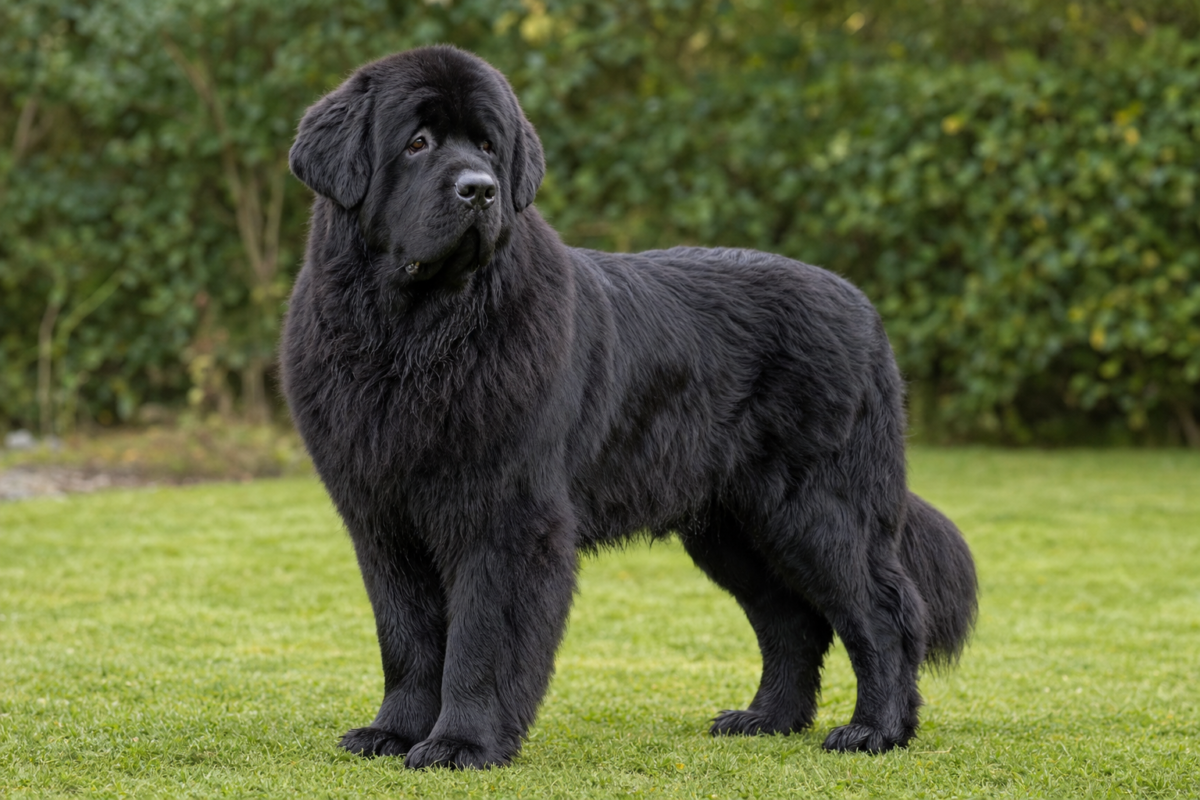
Glucosamine and chondroitin are structural components of cartilage, and both are given daily to support healthy cartilage and comfortable movement. Glucosamine is an amino sugar the body uses as a raw material for glycosaminoglycans, the long molecules that make up cartilage. Chondroitin is one of those molecules, and its job inside cartilage is to attract and hold water so the tissue stays springy and can cushion load. Cartilage is constantly maintained and renewed, that work requires raw materials, and a large or giant breed dog asks a great deal of the tissue. Supplying those building blocks daily supports the normal maintenance of a structure doing hard work. It is nutritional support, not a medicine, and not a substitute for veterinary care.
Glucosamine and chondroitin are two building blocks found naturally in healthy cartilage, the smooth cushioning tissue that lines a dog’s joints. Glucosamine is a compound the body uses to help build and maintain cartilage. Chondroitin is a larger molecule that sits within cartilage and helps it hold water, which is what gives the tissue its cushioning quality. Given daily as a supplement, they are used to support healthy cartilage and comfortable movement, particularly in large and giant breeds who carry more weight through every joint. Most Dog Parents allow six to eight weeks of daily use before judging the result.
If you have stood in front of a shelf of joint chews reading two words you cannot quite define, you are in good company. Glucosamine and chondroitin appear on almost every joint product made for dogs, usually in large type and rarely with an explanation. This guide sets out what each one is, what it supports, how long it takes before you can judge anything, and how to read a label without being sold to.
What do glucosamine and chondroitin do for dogs?
Glucosamine and chondroitin are structural components of cartilage, and both are given daily to support healthy cartilage and comfortable movement. Glucosamine is an amino sugar the body uses as a raw material for glycosaminoglycans, the long molecules that make up cartilage. Chondroitin is one of those molecules, and its job inside cartilage is to attract and hold water so the tissue stays springy and can cushion load.
The reasoning behind supplementing them is straightforward. Cartilage is constantly maintained and renewed, that work requires raw materials, and a dog carrying a lot of body weight asks a great deal of the tissue. Supplying those building blocks daily supports the normal maintenance of a structure doing hard work. It is nutritional support, not a medicine, and not a substitute for veterinary care.
What each ingredient actually is
Glucosamine is an amino sugar the body makes naturally and uses to build the matrix of cartilage. In supplements it usually appears as glucosamine hydrochloride or glucosamine sulphate, and it is generally sourced from shellfish. Both forms are widely used, and glucosamine hydrochloride is more concentrated by weight, so the milligram figure on two labels is not always comparing the same thing.
Chondroitin is a glycosaminoglycan, a much larger molecule than glucosamine. It is a normal part of cartilage where it binds water into the tissue. Because it is expensive to source, chondroitin is one of the ingredients most often included at a token amount purely so the name can appear on the front of the bag, which is why the milligram figure matters more than the mention.
The two are almost always paired. They sit in the same tissue, do different jobs, and most products have looked at them together rather than separately.
Joint support ingredients at a glance
Glucosamine and chondroitin rarely travel alone. Here is what usually sits alongside them on a large breed label.
| Ingredient | What it is | What it is included to support |
|---|---|---|
| Glucosamine | Amino sugar, cartilage building block | Healthy cartilage and joint structure |
| Chondroitin | Large molecule found within cartilage | Cartilage cushioning and water content |
| MSM | A natural source of sulphur | Connective tissue and joint comfort |
| Green Lipped Mussel | New Zealand shellfish rich in omega fatty acids | Joint comfort and normal mobility |
| Eggshell membrane | Natural source of collagen and elastin | Cartilage, tendons and connective tissue |
| Hyaluronic acid | Component of joint fluid | Lubrication and smooth movement |
| Vitamin C and E | Antioxidant vitamins | Normal collagen formation and cell protection |
Cornell University’s College of Veterinary Medicine covers how growth rate, nutrition, and exercise interact with joint development in large breed dogs. Read more from Cornell’s canine hip dysplasia overview.
How long do glucosamine and chondroitin take to work?
Give it six to eight weeks of consistent daily use before you form a view. These are nutritional building blocks rather than fast acting compounds, so the body needs a sustained supply before anything is likely to be visible from the outside. Missing days resets the clock more than most Dog Parents expect.
That timeline is also why starting early makes sense. A routine begun while a dog is moving well works quietly in the background. One begun after a dog is already struggling starts from further back, and at that point the conversation belongs with your veterinarian rather than with a shelf.
Why large breeds are a different case
A hundred pound dog sends far more force through the same anatomy than a twenty pound one, on every step, turn and landing, for its whole life. That is why large and giant breeds tend to show mobility changes earlier in life than small dogs, and why big dog parents so often start thinking about joint support years before a small dog parent would. It is also why the dose that matters is the one matched to your dog’s actual body weight rather than a single scoop for every size.
Read The Milligrams
A named ingredient means nothing without an amount. If the label will not print how much, assume it is very little.
Per Chew Or Per Serving
Many labels quote a daily serving of two or three chews. Divide before you compare two products.
Dose By Body Weight
A large dog and a medium dog should not be getting the identical daily amount. Check the weight chart.
Watch The Allergens
Glucosamine and green lipped mussel come from shellfish. Check the panel if your dog reacts to anything.
How to read a joint supplement label
Once you know what the ingredients do, a label becomes much easier to judge. Work through it in this order.
- Find the amounts. Every active should carry a milligram figure. Names without numbers are marketing rather than information.
- Check the serving basis. Amounts are usually stated per daily serving, and a serving is often more than one chew. Two products only compare once both are on the same basis.
- Match it to your dog. Find the weight chart and read the row that matches your dog rather than the headline number on the front.
- Look at the other ingredients. The panel below the actives tells you what the chew is made of and whether it carries anything your dog avoids.
- Check where it is made. Standards such as GMP and an NSF registered facility tell you how carefully the product is produced.
Body weight does more than any supplement
This is the part that gets skipped, and it matters more than any ingredient on any label. Every extra pound is loaded through the joints on every step of every day, and lean body condition is the most powerful thing within your control.
- Feed a measured amount rather than a topped up bowl, and confirm the daily total with your veterinarian.
- Count treats and chews as part of the day’s food, because for a big dog they add up quickly.
- Reassess portions as your dog ages, since an older dog usually needs fewer calories.
How to check body condition in ten seconds
The scale tells you weight. Body condition tells you whether that weight suits the dog in front of you.
- Ribs. Run your hands along the sides. You should feel the ribs easily under a thin layer. If you have to press, ease back on food.
- Waist. Look down from above. You want a clear waist that tucks in behind the ribs.
- Tuck. From the side, the belly should rise toward the back legs rather than hanging level.
Movement that supports comfortable joints
Joints do well on regular, varied movement and less well on long gaps followed by a sudden burst. A steady routine matters more than any single big outing.
- Aim for consistent daily walks rather than a quiet week and a long weekend hike.
- Favour soft ground such as grass and woodland trail over concrete where you have the choice.
- Swimming is excellent conditioning with very little load, once your veterinarian is happy with it.
- Add rugs and runners on slippery floors, since a slip asks more of a joint than a walk does.
Daily habits that support joint comfort at any age
Lean weight, steady movement, good footing at home and a consistent daily routine are the foundation. Many big dog parents add a daily joint chew on top of that foundation, chosen for the amounts on the label rather than the claims on the front.
MoveGuard Adult is built for medium and large breed adult dogs from 25 to 75 pounds. It brings together glucosamine, chondroitin, MSM, New Zealand Green Lipped Mussel, eggshell membrane collagen and hyaluronic acid to support healthy cartilage, connective tissue and comfortable movement, and every active amount is printed on the label rather than hidden behind a blend. The daily amount is weight tiered, with one chew a day for dogs from 25 to 50 pounds and two for dogs from 50 to 75 pounds and up, and senior dogs of seven and over use the higher amount for their weight. It ships as 60 chews in chicken liver flavour, is made in the USA in an NSF facility, and is backed by a 60 day guarantee. Allow six to eight weeks of daily use.
Every Amount On The Label
Daily joint support for adult medium and large breeds, with every active printed in milligrams. Explore MoveGuard Adult.
What to watch for over the weeks
You are looking at everyday movement rather than a single moment. Note how your dog rises from a nap, how it takes the first steps of the morning, whether it hesitates at the car or the stairs, and how it looks the day after a longer outing. Writing those down before you start gives you something honest to compare against eight weeks later.
Some things are not a wait and see matter. A limp, a sudden reluctance to use a leg, swelling around a joint, or a clear change in how your dog moves all warrant a veterinary appointment rather than another month of any supplement. A joint chew is part of a daily routine, not an answer to a new problem.
A joint support plan, stage by stage
The growth years. Large breed puppies are still building the frame they will carry for life. Lean feeding, moderate exercise while the growth plates are open, and a product formulated for young large breeds are the priorities. Growth and adult formulas differ, so match the right formula to the life stage.
One to six years. The quiet, easy years, and the best possible time to build a routine. Your dog is moving well, so there is nothing to judge week to week, which is exactly the point. Hold lean body condition and keep activity consistent.
Seven years and over. Most large breeds are considered senior around seven, and giant breeds earlier still. Use the higher amount for your dog’s weight, keep walks regular but shorter and more frequent, and raise any change in movement with your veterinarian at the next checkup.
Advanced age. Comfort at home matters as much as the walk. Good footing, a supportive bed and short gentle outings all help, guided by your veterinarian.
Common mistakes when choosing a joint supplement
- Buying on the front of the bag. The ingredient names are on the front. The amounts are on the back. Only one of those tells you anything.
- Comparing different serving bases. A product quoting 1000mg per two chews and one quoting 1000mg per chew are not the same product at all.
- Giving a large dog a medium dog amount. Weight tiers exist for a reason. Read the row that matches your dog.
- Stopping at four weeks. Six to eight weeks of consistent daily use is the honest window before judging anything.
- Skipping days. These ingredients work by steady supply. An occasional chew is not the same routine.
- Letting weight drift. No supplement offsets the load of extra pounds on a big frame.
Where these ingredients sit in the bigger picture
It helps to be clear about what a joint supplement is and is not. It is a daily source of the raw materials that cartilage and connective tissue are made from, given to support normal, healthy joint structure and comfortable movement over the long run. It is nutrition, and it works on the timescale of nutrition.
It is not a medicine and it is not a diagnosis. If your dog shows a change in how it moves, that is a veterinary conversation, and your veterinarian may want to look at the joint itself. Supplements and veterinary care are not rivals. Hold lean weight, keep movement steady, support the diet daily, and get anything new looked at properly. That combination is what keeps a large dog comfortable in its own body for as long as possible.
Frequently asked questions
Is glucosamine safe for dogs?
Glucosamine is widely used in dog supplements and is generally well tolerated. Because it is usually sourced from shellfish, check the allergen panel if your dog reacts to shellfish, and always speak with your veterinarian before starting anything new, especially if your dog takes other medication.
How much glucosamine does a large dog need?
Follow the weight chart on the product you have chosen rather than a general figure, because concentrations vary between products and forms. Large dogs sit in the higher tier of most charts, and your veterinarian can confirm what suits your individual dog.
How long before I see anything?
Allow six to eight weeks of consistent daily use. These are structural building blocks rather than fast acting compounds, and skipped days push the timeline out further than most people expect.
Can I give glucosamine and chondroitin together?
Yes, and they are almost always sold together. They sit in the same tissue and do different jobs, and most products and most research have looked at the pair rather than either one alone.
When should a large dog start on joint support?
Many big dog parents begin in early adulthood rather than waiting, because large breeds load their joints heavily for a whole lifetime. The right starting point for your dog is a good question for your next veterinary checkup.
The bottom line
Glucosamine and chondroitin are cartilage building blocks, given daily to support healthy cartilage and comfortable movement. Judge a product by the milligrams on the back rather than the names on the front, check the serving basis, match the amount to your dog’s weight, and give it six to eight weeks. Hold your dog lean, keep movement steady and the footing good at home, and take any real change in how your dog moves to your veterinarian.
Want the simple roadmap in one place? Grab our free Big Dog Mobility Guide for the label checklist, weight targets and joint friendly activity limits, all written for large and giant breeds.
This article is for general educational purposes only and is not veterinary advice. It is not intended to diagnose, treat, cure or prevent any disease. Always consult your veterinarian about your dog’s individual health, nutrition and supplement needs. These statements have not been evaluated by the Food and Drug Administration.
Support Big Breed Joints from Day One
Large and giant breeds carry more load through every growth stage. MoveGuard Growth supports developing joints in young big dogs (8 to 30 months); MoveGuard Adult keeps grown big dogs moving comfortably.


Leave a Reply