Most large breed dogs benefit from daily joint support far earlier than their parents expect. For a puppy, the sensible starting point is during the growth window, which for large and giant breeds runs from roughly 8 months to 30 months of age. For a dog who is already grown, the answer is simply now, well before you see any change in how your dog moves. Joint support is a maintenance habit rather than a response, so the best day to start is usually the day you think of it.
Ask ten big dog parents when they started a joint routine and most will tell you they started the week something looked different. That is completely understandable, and it is also the one thing worth changing. Large and giant breeds carry more weight through the same joints for longer than any other group of dogs, and the habits that support comfortable movement work best when they are already in place. This guide gives you a clear timeline by age and by adult weight, the signals worth watching for, and a simple plan you can follow at every stage.
When should I start joint support for a large breed dog?
Start during the growth window for a puppy, and start today for an adult. In practice that means a large or giant breed puppy is well served by a joint routine that begins somewhere around 8 months and runs through the roughly 8 to 30 month growth window. An adult dog who has never had one should begin as soon as you decide to, and certainly well before middle age, which for big breeds arrives around 4 to 5 years rather than 7 or 8.
The reasoning is simple. Joint support is about maintenance of normal, healthy structures over years, so it works with time rather than against a problem. Waiting until a dog is stiff after a long walk means you are asking a daily habit to do a job it was never designed for.
Why big dogs run on a different timeline
A large breed is not just a bigger version of a small one. Everything about the schedule shifts. A Labrador reaches its adult frame in roughly a year and a half. A Great Dane or Mastiff may take two and a half years, and it does so while adding a hundred pounds or more to a skeleton that is still forming.
That extra load never really goes away. Every stride, turn and landing across a whole life travels through joints that carry two or three times what a spaniel carries, which is why big dogs also reach their senior years sooner. A giant breed can be considered senior at around 6 years while a small dog is barely middle aged. Shifting your timeline forward is the single most useful adjustment a big dog parent can make.
Joint support timeline by age and adult weight
Use this table as a planning guide. Pick the row that matches your dog today, and use the expected adult weight column to check whether your timeline should sit earlier or later within it.
| Stage | Typical age | What matters most |
|---|---|---|
| Puppy foundation | 8 weeks to 8 months | Large breed puppy food, lean body condition, soft ground, no repeated jumping |
| Growth window | 8 to 30 months | Daily joint support through the whole window, gradual build in activity |
| Young adult | 2 to 4 years | Keep the routine going, hold a lean weight, build steady fitness |
| Mature adult | 4 to 7 years | Daily support plus regular veterinary checks, watch for changes after rest |
| Senior giant breeds | 6 years plus | Shorter, more frequent walks, warm bedding, traction on smooth floors |
| Senior large breeds | 7 to 8 years plus | Comfort focused routine, gentle consistent movement, veterinary guidance |
Cornell University’s College of Veterinary Medicine covers how growth rate, nutrition, and exercise interact with joint development in large breed dogs. Read more from Cornell’s canine hip dysplasia overview.
When does the growth window close?
The growth window closes later the bigger your dog is going to be. A dog with an expected adult weight of 50 to 65 pounds is largely finished around 16 to 18 months. From 65 to 80 pounds the window runs roughly 18 to 22 months. From 80 to 100 pounds expect 20 to 24 months, and above 100 pounds the frame may still be developing at 24 to 30 months.
Why that window is the ideal starting point
Through the growth window your dog is laying down the cartilage, bone and connective tissue that will carry an adult body for a decade. Growth plates, the soft areas at the ends of the long bones, stay open through much of it, and hard impact on open growth plates asks a great deal of a structure that is still forming. Beginning a daily routine here means support is in place while the frame is actually being built, rather than arriving years after the fact.
Waiting For A Sign
By the time movement changes, the habit you needed was a daily one. Start while everything looks easy.
Carrying Extra Weight
Excess pounds load every joint on every stride. A lean big dog moves more comfortably at any age.
Stop Start Routines
Joint support works with consistency. A month on and two months off does not build anything.
Weekend Only Exercise
Nothing all week and a long hike on Saturday is harder on a big frame than a steady daily rhythm.
Weight and feeding do half the work
No chew replaces a lean body condition. Food and joints are the same conversation for a big dog.
- For puppies, choose a complete food formulated for large breed puppies, which balances calories, calcium and phosphorus for steadier growth.
- Feed adults to a lean body condition rather than to the number on the bag, and reassess through the seasons.
- Count treats. On a big dog they add up quickly and quietly.
- Ask your veterinarian to confirm the right daily amount at each checkup, especially in the first two years.
How to check body condition in ten seconds
The scale tells you weight, but body condition tells you whether that weight suits the dog.
- Ribs. Run your hands along the sides. You should feel the ribs easily under a thin layer. If you have to press, ease back on food.
- Waist. Look down from above. You want a clear waist that tucks in behind the ribs.
- Tuck. From the side, the belly should rise toward the back legs rather than hanging level.
Check every couple of weeks and adjust portions gently with your veterinarian’s guidance.
Daily movement habits that support comfortable joints
Movement is how joints stay healthy, so the goal is never less activity. It is better shaped activity.
- Little and often. Two moderate outings a day beat one long one for a body of any age.
- Soft ground where you can. Grass, sand and woodland trails transmit less shock than pavement.
- Traction indoors. Runners and rugs on smooth floors stop the slipping that big dogs handle worst.
- Manage the car. A ramp saves a large dog many hundreds of hard landings across a lifetime.
- Warm up and cool down. A few minutes of walking either side of anything vigorous suits big frames.
- Swimming where it suits. Water builds muscle with almost no impact, if your dog enjoys it and can get in and out safely.
Choosing a daily joint routine
Once feeding and movement are in order, many big dog parents add a daily chew made specifically for large and giant breeds. Size matters here, because a formula measured for a twenty pound dog is not built for a body three or four times that.
For a grown dog, MoveGuard Adult is made for exactly this job. It is a six ingredient joint formula for medium and large breeds, built around clinically studied eggshell membrane and New Zealand Green Lipped Mussel alongside glucosamine, chondroitin, MSM and hyaluronic acid, to support healthy joints, cartilage and comfortable everyday movement. A two chew daily serving delivers 1000mg of glucosamine, 800mg of chondroitin and 800mg of MSM. It ships as 60 chicken liver flavour soft chews, is made in the USA in an NSF facility, and carries a 60 day guarantee. If your dog is still growing, the sibling product MoveGuard Growth is the one built for the growth window instead. Whichever stage you are at, consistency is what makes a routine worth having, so pick the one that matches your dog today and keep it going.
Start Before You Need To
Daily joint support built for medium and large breeds. Explore MoveGuard Adult.
Signs it is time to start, if you have not already
Ideally you begin before anything changes. In real life, many parents start because they noticed something, and noticing early is still a win. Watch for a slower first minute after a nap, a pause before jumping into the car, choosing the rug over the wooden floor, shorter self selected walks, or a dog who takes the stairs one at a time when they used to fly up.
None of those are a diagnosis, and none of them should be treated at home. They are simply a signal to book a veterinary check and to get the daily habits in place. Limping, reluctance to bear weight on a leg, or stiffness that lasts more than a day always deserves a call to your veterinarian first.
A simple plan, stage by stage
You need the right emphasis at the right time rather than a complicated programme.
8 weeks to 8 months. Foundation stage. Large breed puppy food, three calm meals a day, free play on soft ground and short lead walks. Keep repeated jumping out of the routine and start teaching a calm approach to stairs and the car.
8 to 30 months. The growth window. This is the natural point to begin a daily joint support routine and to hold a lean body condition while the frame finishes. Build activity slowly and keep surfaces varied.
2 to 5 years. Prime adulthood, and the stage most often skipped. Keep the routine, keep the weight lean, keep fitness steady. Everything you do here is banked for later.
6 years and beyond. Giant breeds arrive here first. Shorten and multiply the walks rather than dropping them, add traction and warm bedding at home, and see your veterinarian more often so changes are caught early.
Common mistakes to avoid
- Treating it as a senior product. The growth window and prime adulthood are the two stages that matter most, and both come long before old age.
- Dosing by hope. Give the amount that matches your dog’s weight, every day. Half a serving is not a cheaper routine, it is no routine.
- Using a formula built for small dogs. Big joints carry big loads. Match the product to the size of the dog.
- Expecting a chew to fix a heavy dog. Weight management does more for a big dog than anything else you can buy.
- Stopping because nothing seems to be happening. A maintenance habit looks like nothing happening. That is the point of it.
Which big dogs benefit from an early start
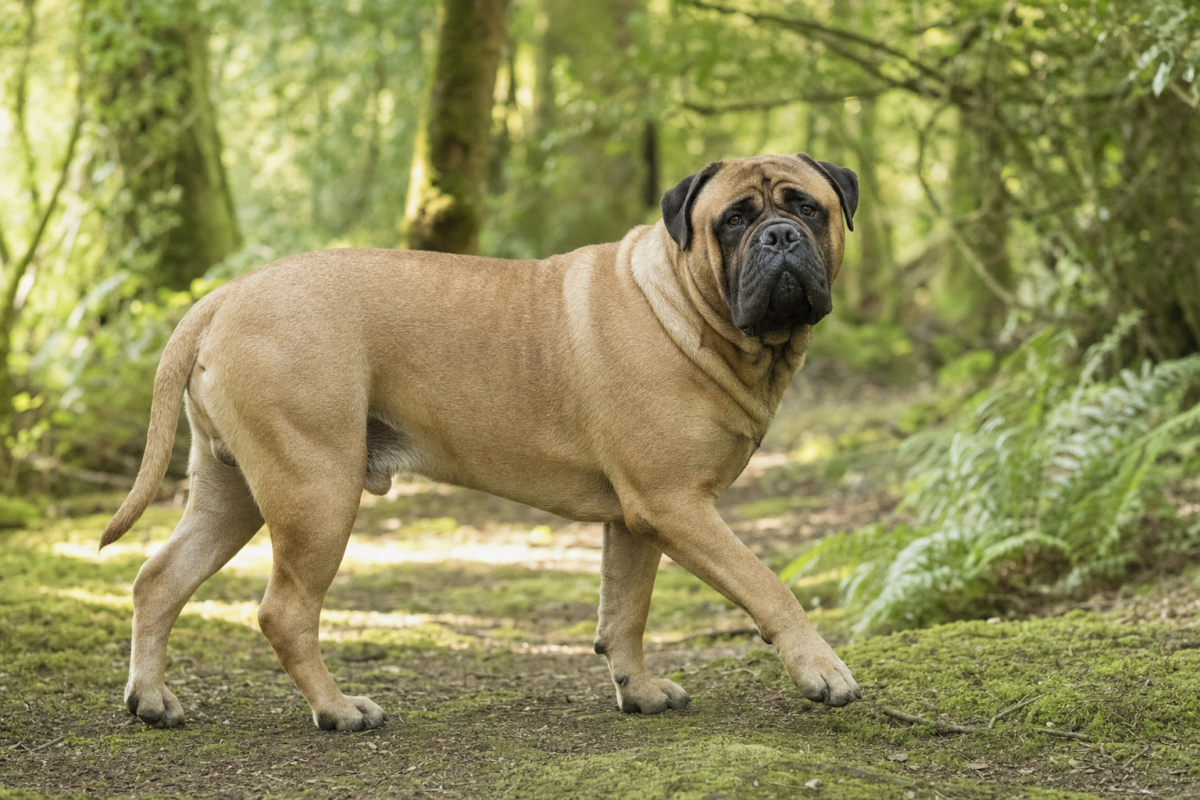
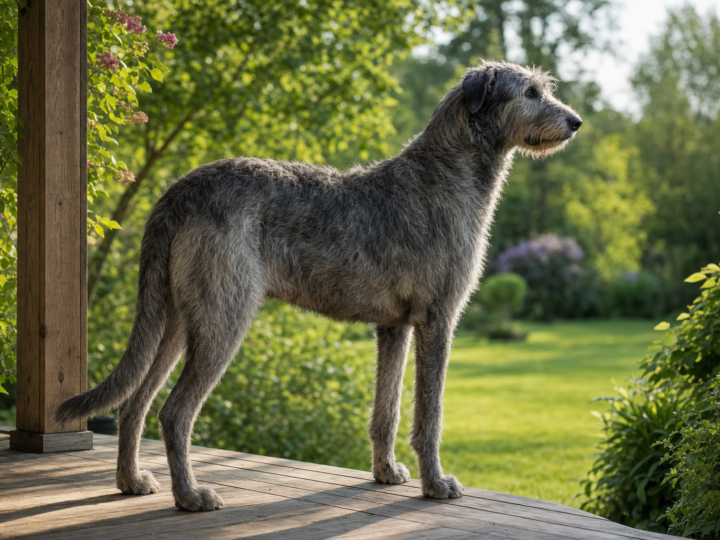
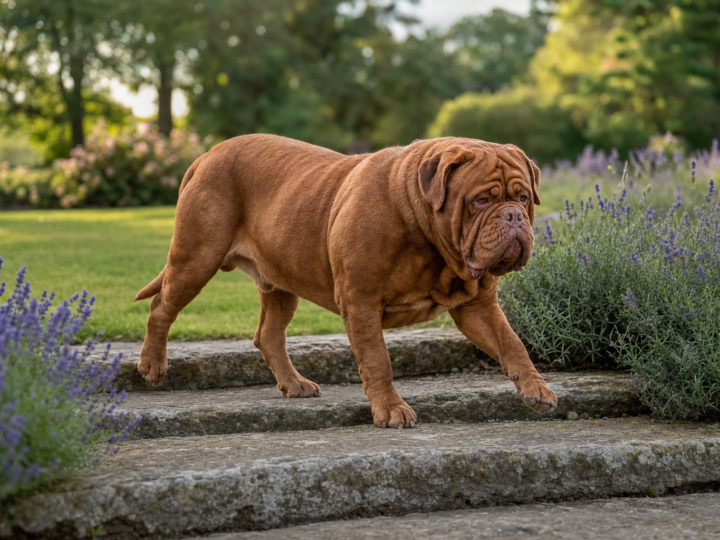
Every large breed is on a longer joint timeline than a small dog, but a few groups are worth starting sooner rather than later. The heavy giants, including Great Danes, Mastiffs, Newfoundlands and Saint Bernards, combine enormous adult weight with the longest growth windows, so their frames spend the most time under construction.
The working and sporting breeds sit at the other end of the same problem. German Shepherds, Labradors, Golden Retrievers, Boxers and Rottweilers are not the heaviest dogs, but they are the ones most likely to run, jump, swim and work hard for a decade, and that mileage adds up. Dogs who are already carrying extra weight, and any dog whose breeder or veterinarian has flagged joints as something to keep an eye on, also belong in the start early group. If your dog fits any of those descriptions, bring the timeline forward rather than waiting for a birthday.
Frequently asked questions
Can a puppy take joint support?
Yes, and the growth window is the stage it is designed for. Choose a formula made for growing large and giant breeds, dose by expected adult weight, and confirm with your veterinarian that it suits your individual puppy.
Is it ever too late to start joint support?
No. Older dogs are often the ones whose parents notice the difference in daily comfort most, because movement matters more when it is harder. Start with a veterinary check so you know what you are working with, then keep the routine consistent.
How long does joint support take to work?
Ingredients such as glucosamine, chondroitin and green lipped mussel are maintenance nutrients rather than fast acting ones, so give any routine a fair run of several weeks before you judge it. Consistency matters far more than the first few days.
Do I need joint support if my dog is young and healthy?
A young, healthy, lean big dog is exactly who a maintenance routine is built for. Supporting normal joint structures while everything is working well is easier than trying to catch up later.
What else supports big dog joints day to day?
A lean body condition first, then regular moderate movement, soft ground, traction on smooth floors, a ramp for the car and normal veterinary checkups. A daily chew supports those habits rather than replacing them.
The bottom line
For a large breed puppy, start joint support during the 8 to 30 month growth window. For a grown dog, start now. Feed for a lean body condition, keep movement regular and moderate, protect the frame from repeated hard landings, and keep the routine consistent enough that it becomes invisible. Big dogs give you fewer years than small ones, so the earlier you start, the more of those years you spend watching a dog who moves comfortably.
Want the simple roadmap in one place? Grab our free Big Dog Mobility Guide for the daily comfort checklist, weight targets and movement habits, all written for large and giant breeds.
Starting early matters less if the formula is underdosed, so it is worth knowing how glucosamine is dosed and what to check on the panel.
This article is for general educational purposes only and is not veterinary advice. It is not intended to diagnose, treat, cure or prevent any disease. Always consult your veterinarian about your dog’s individual health, nutrition and supplement needs. These statements have not been evaluated by the Food and Drug Administration.
Support Big Breed Joints from Day One
Large and giant breeds carry more load through every growth stage. MoveGuard Growth supports developing joints in young big dogs (8 to 30 months); MoveGuard Adult keeps grown big dogs moving comfortably.

Leave a Reply