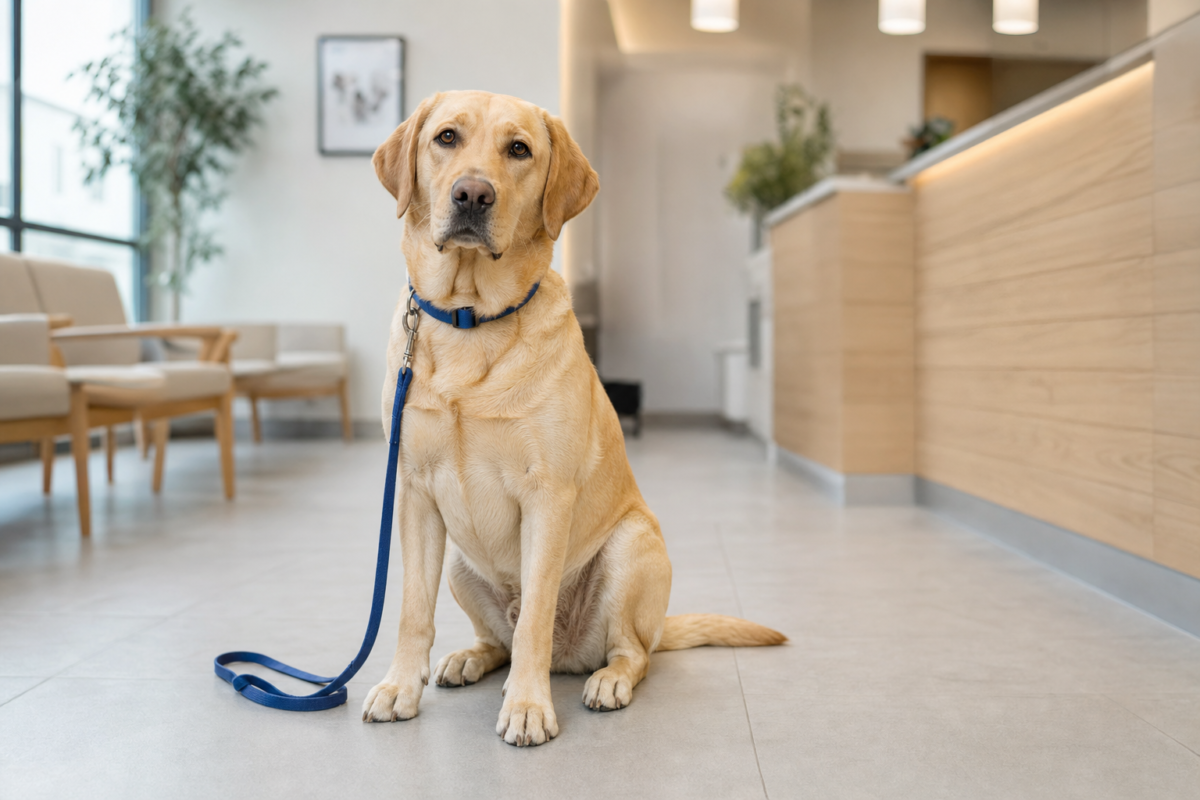
Pet insurance for a large breed dog works on a reimbursement model. You pay the veterinary bill yourself, submit a claim, and the insurer pays back an agreed percentage of the covered amount once your annual deductible is met. Large and giant breeds cost more to insure than small dogs, because everything from anaesthesia to medication is dosed and priced by body weight. In the United States most accident and illness policies for a big dog land between $45 and $120 a month. Anything that appears before your policy starts, or during the waiting period, is treated as pre existing and is not covered.
Insuring a big dog is one of those admin jobs that feels dull right up until the evening you need it. A Great Dane who swallows a sock, a Labrador who tears a knee ligament, a Mastiff who needs an overnight stay and a scan: these are the moments when paperwork you sorted out two years ago quietly decides how the next few days go. This guide covers how the cover works for large and giant breeds, what drives the price, and how to compare policies quickly.
How does pet insurance work for large breed dogs?
Pet insurance for large breed dogs works the same way it does for any dog, with one practical difference: the bills it protects you against are bigger. You pay a monthly premium, then pay veterinary bills out of your own pocket as they happen. You send the itemised invoice to the insurer, and once you have paid your deductible for the year, the insurer reimburses an agreed percentage of the eligible cost, up to the annual limit you selected.
Almost every mainstream policy sold today is an accident and illness plan, which responds to unexpected events and diagnosed conditions rather than routine care. Every policy also has a waiting period at the start, typically a few days for accidents and around two weeks for illnesses, with a longer window for orthopaedic conditions on many plans.
Why large breed dogs cost more to insure
Insurers price a policy on what they expect to pay out, and for a large or giant breed that number is simply higher. Understanding why also tells you what a big dog policy needs to be good at.
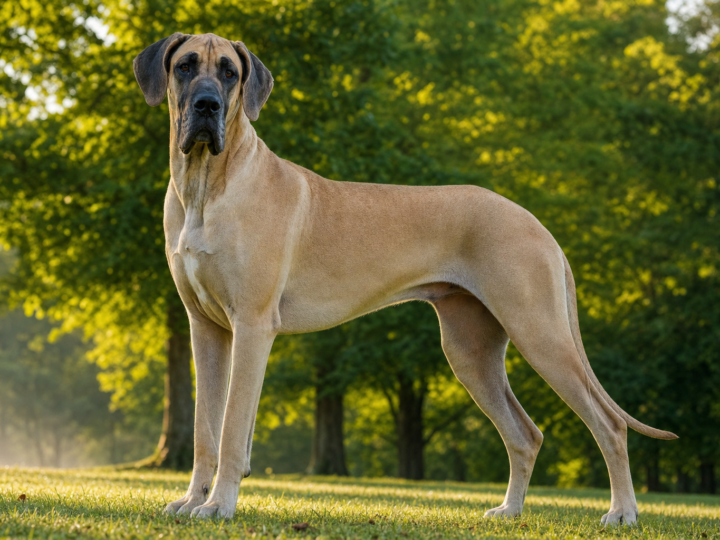
The first driver is weight: medication, anaesthesia and sedation are dosed by body weight, so a 140 pound Saint Bernard costs meaningfully more to anaesthetise than a 14 pound terrier for the same procedure. The second is orthopaedics, because big frames load joints and ligaments hard and cruciate, hip and elbow surgeries are among the most expensive routine procedures in small animal practice. The third is timing. As we cover in our guide to why giant breeds live shorter lives, the largest breeds reach their senior years earlier, so the claim heavy stage of life arrives sooner than it does for a small dog.
None of that makes cover a bad idea. It simply means the gap between an insured bill and an uninsured one is wider for a big dog than for a small one.
What large breed premiums tend to look like
Quotes vary enormously by postcode, age, breed and the limits you choose, so treat the table below as a shape rather than a price list. The only number that matters is the one on your own quote.
| Adult weight | Typical monthly premium | What tends to move the price |
|---|---|---|
| 50 to 70 lb | $45 to $75 | Age at enrolment, postcode, chosen limit |
| 70 to 90 lb | $50 to $85 | Breed claim history, deductible level |
| 90 to 120 lb | $60 to $100 | Weight based drug and surgery costs |
| 120 to 150 lb | $70 to $120 | Orthopaedic exposure, local vet pricing |
| 150 lb and up | $80 to $140 | Giant breed loading, shorter cover runway |
The American Kennel Club’s Chief Veterinary Officer, Dr. Jerry Klein, DVM, has written extensively on the slower growth and development timeline of large and giant breeds. Read more from the AKC’s guidance on caring for large-breed dogs.
Two things move these numbers most. Enrolling while your dog is young keeps the premium at the bottom of the band and the exclusion list short. A higher deductible pulls the monthly cost down, which suits Dog Parents who can absorb the first few hundred dollars but not the last few thousand.
The three numbers that decide what you actually get back
Every quote is really three settings in a trench coat. Understand them and you can compare any two policies in under a minute.
- Annual limit. The most the insurer will pay in a policy year, usually from about $5,000 up to unlimited. A limit that looks generous for a spaniel can be consumed by one complicated giant breed surgery and its follow up care.
- Deductible. What you pay before reimbursement starts, usually per year rather than per condition. A higher deductible means a lower premium and a bigger first bill.
- Reimbursement percentage. The share of the eligible bill the insurer pays once the deductible is met, commonly 70, 80 or 90 percent.
How the three numbers work on a real bill
Take a $6,000 orthopaedic surgery and recovery for a 120 pound dog. On a policy with a $500 deductible and 80 percent reimbursement, you pay the first $500 and 20 percent of the remaining $5,500, so your share is roughly $1,600. Run the same bill through a policy with a $1,000 deductible and 70 percent reimbursement and your share climbs to about $2,500.
That second policy was cheaper every month, and for a dog who never claims it was the better buy. Choose the split deliberately, with a big dog sized bill in mind.
Pre Existing Conditions
Anything in the records before cover began, including a limp your vet mentioned in passing, is excluded. The biggest reason to enrol early.
Waiting Periods
Cover does not start on day one. Illness waits are often around 14 days, and many insurers apply a longer wait to orthopaedic claims.
Bilateral Exclusions
If one knee or hip is excluded, some policies exclude the matching joint on the other side too. Read this clause carefully.
Annual Limits
A limit that suits a small dog can be used up by one giant breed surgery. Check it against a realistic worst case.
What pet insurance usually covers
A standard accident and illness policy is built around the unpredictable. Typical inclusions look like this:
- Accidents such as fractures, lacerations, bloat episodes and swallowed objects.
- Illnesses including infections, cancer, endocrine and gastrointestinal disease.
- Diagnostics: bloodwork, radiographs, ultrasound, advanced imaging and biopsies.
- Surgery, hospitalisation, anaesthesia and prescription medication for a covered condition.
- Hereditary and congenital conditions on most modern policies, provided no sign of them existed before cover started.
- Specialist and emergency referral, where big dog bills escalate fastest.
That last point is worth sitting with. Most big dog claims that reach four figures involve an emergency visit outside normal hours or a specialist referral, so a policy that covers both without a separate sublimit is doing the job you bought it for.
What it usually does not cover
Exclusions are where policies genuinely differ, and skimming them is how Dog Parents end up disappointed at the worst possible moment.
- Pre existing conditions. Anything diagnosed, treated or showing signs before the policy began or during the waiting period.
- Routine and preventive care. Vaccines, parasite control, dental cleaning, spay or neuter surgery, unless you add a wellness plan.
- Elective and cosmetic procedures, plus anything the insurer considers non essential.
- Breeding, pregnancy and whelping costs on most consumer policies.
- Food and supplements, including everyday joint support given as part of a daily routine rather than as a prescribed therapy.
- Grooming, boarding and behavioural training unless a specific add on includes them.
Are wellness add ons worth it for a big dog?
Wellness plans bundle routine care into a monthly fee. They are budgeting tools rather than insurance: you get back roughly what you put in, spread across the year. For a big dog the maths can land slightly better, because weight based dosing makes parasite prevention and dental work cost more than the plan was priced around. Decide on it separately from the accident and illness cover.
When to enrol a large breed puppy
Earlier is almost always better, and the reason is not the premium. It is the exclusion list. A policy taken out on a healthy puppy starts with a clean record, so hereditary and orthopaedic conditions that emerge later are usually covered. Wait until something has been noted in the clinical record and that condition, sometimes along with its matching joint, is excluded for life.
Most insurers accept puppies from around eight weeks of age, which makes cover a sensible item on the new large breed puppy checklist. It also fits the shape of big dog development: the growth window for a large or giant breed runs roughly 8 to 30 months, and the orthopaedic questions insurers care about tend to surface during and just after that stretch.
If your dog is already an adult, enrol anyway. Everything healthy today is still insurable, and the record only gets longer.
How to compare policies in ten minutes
You do not need a spreadsheet. Run three or four quotes at identical settings and check the same five points on each.
- Match the settings first. Same annual limit, deductible and reimbursement percentage, or you are comparing nothing.
- Find the orthopaedic waiting period. Ask how long it is and whether a veterinary examination can shorten it. For a big dog this clause matters more than the headline price.
- Check for a bilateral exclusion clause, then whether hereditary and congenital conditions are included as standard.
- Look for per condition or per body system caps hiding under a generous sounding annual limit.
- Ask how premiums change with age. Almost all rise, but the curve differs, and giant breeds hit the steeper part sooner.
Insurance or a savings account?
Some Dog Parents prefer to self insure by paying a monthly amount into a dedicated account. Nothing is ever excluded and unspent money stays yours, but the catch is timing: a self funded pot works beautifully in year six and poorly in month four, when the fund has not had time to fill. Insurance inverts that risk.
The practical middle path is common. Take a higher deductible with a high annual limit, and keep a savings buffer for the deductible and the routine care the policy excludes. You insure the catastrophe and self fund the predictable.
Common mistakes Dog Parents make with big dog policies
Most regrets come from a handful of avoidable decisions.
- Waiting for the first symptom. The moment you feel you need cover is the moment that condition becomes uninsurable.
- Buying on premium alone. The cheapest quote is usually cheapest because of a low annual limit or a 70 percent reimbursement rate, and both show up on the biggest bill.
- Choosing a small dog annual limit. Model it against one serious orthopaedic or emergency episode, not a typical year.
- Skipping the first veterinary examination. A documented healthy baseline is a far stronger position in any later dispute about what was pre existing.
- Cancelling after a quiet year. Restarting means a fresh waiting period and a fresh exclusion list built from everything now in the record.
A simple plan, stage by stage
The right move changes with your dog, and each stage takes very little effort at the right moment.
8 weeks to 6 months. Enrol now, while the record is clean and the premium sits at the bottom of the band. Pick a high annual limit even if you take a higher deductible to afford it.
6 months to 2 years. The growth and adolescent stage, and also the swallowed sock stage. Leave the policy alone and resist trimming the limit. If you did not enrol as a puppy, do it now rather than next year.
2 to 6 years. The steady adult years, and the ones most likely to feel like wasted money. Review the limit once a year rather than switching insurers, because switching restarts every waiting period and re examines every note in the record.
6 years and older. Premiums climb and new exclusions get harder to avoid, so continuity beats a slightly better headline rate. Pair the policy with the daily habits in our guide to caring for a senior large breed dog.
Frequently asked questions
Is pet insurance worth it for a large breed dog?
It depends on how you would handle a sudden four or five figure bill. Because drugs, anaesthesia and surgery are priced by body weight, a big dog generates larger bills than a small dog for the same problem, which widens the gap between an insured and an uninsured outcome. Dog Parents who could absorb a $6,000 emergency from savings may reasonably self fund. Most people cannot.
How much does pet insurance cost for a big dog?
In the United States, accident and illness cover for a large or giant breed commonly runs between $45 and $120 a month, and higher for the largest breeds or in expensive metropolitan areas. Age at enrolment, breed, postcode, annual limit, deductible and reimbursement percentage all move the number, so run three or four quotes at identical settings before deciding.
What counts as a pre existing condition?
Anything diagnosed, treated, or showing clinical signs before your policy started or during its waiting period, including notes your veterinarian made in passing such as an intermittent limp. Some insurers will review a curable condition and cover it again after a symptom free period, but chronic and orthopaedic conditions are usually excluded for life.
When should I insure a large breed puppy?
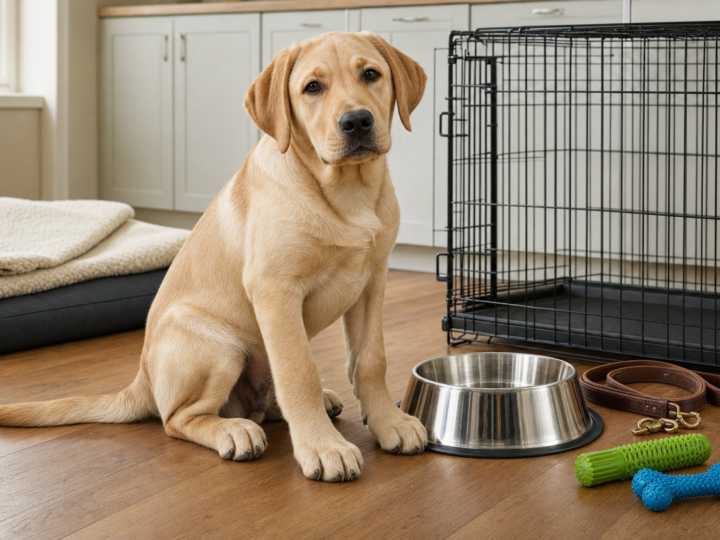
As soon as you bring the puppy home, usually from about eight weeks of age. A clean clinical record at enrolment is the single biggest factor in what stays covered for life, and the premium is at its lowest. It belongs on the same list as the crate and the first veterinary visit.
Does pet insurance cover hip and elbow conditions?
Most modern accident and illness policies include hereditary and congenital conditions, hip and elbow issues among them, as long as there was no sign of them before cover began. Many insurers apply a longer waiting period to orthopaedic claims, and some can shorten it with a veterinary examination. Check that waiting period and any bilateral exclusion clause before you buy.
The bottom line
Pet insurance for a large breed dog is the same product a small dog parent buys, aimed at a bigger set of bills. Enrol early, while the record is clean and the premium is low. Set the annual limit against a realistic worst case rather than an average year, and read the orthopaedic waiting period and bilateral exclusion clause before anything else.
Want the practical side in one place? Grab our free Big Dog Mobility Guide for the daily habits, weight targets and joint safe movement limits that keep a big dog comfortable through every stage of life.
This article is for general educational purposes only and is not veterinary advice, nor is it financial or insurance advice. It is not intended to diagnose, treat, cure or prevent any disease. Policy terms, pricing and exclusions vary by insurer and by region, so always read the policy documents in full and consult your veterinarian about your dog individual health, nutrition and supplement needs. These statements have not been evaluated by the Food and Drug Administration.
Support Big Breed Joints from Day One
Large and giant breeds carry more load through every growth stage. MoveGuard Growth supports developing joints in young big dogs (8 to 30 months); MoveGuard Adult keeps grown big dogs moving comfortably.
Leave a Reply