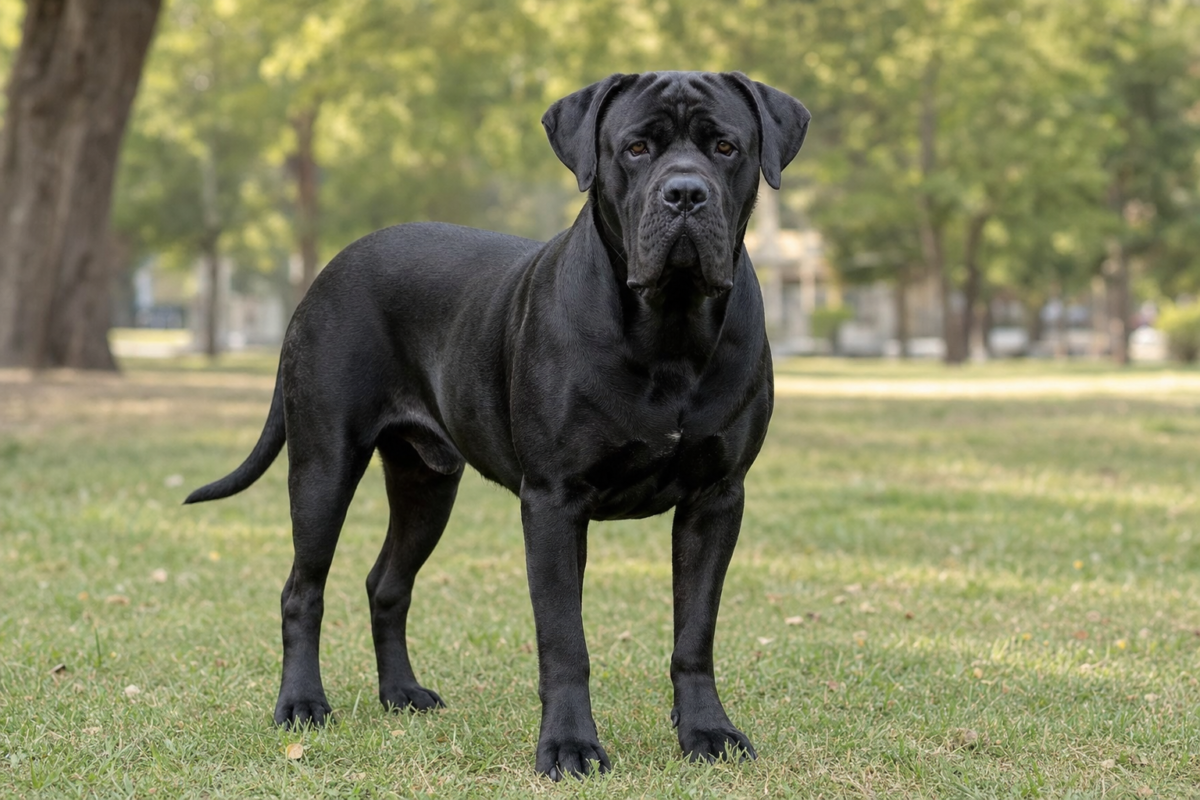
You support healthy joints in a large breed dog with five daily habits: keep a lean body condition, build steady low impact movement, give traction on slippery floors and a ramp for the car, add a daily joint support chew made for big dogs, and keep regular veterinary checkups. Start early rather than waiting for stiffness, because the joints of a heavy dog carry more load every single day.
Big dogs move through the world beautifully, and every stride, turn and jump travels straight through the joints. A 90 pound dog is asking far more of the same hips, elbows and knees than a 20 pound dog asks of hers, and she is doing it thousands of times a day for a decade. The good news is that the habits that support comfortable movement are simple, cheap and entirely within your control. Here is what actually matters, in the order it matters.
How do I support healthy joints in a large breed dog?
Support healthy joints in a large breed dog by keeping a lean body condition, providing daily low impact exercise on soft or grippy surfaces, removing repeated hard landings from stairs and car jumps, adding a daily joint support supplement formulated for medium and large breeds, and staying on a regular veterinary schedule. Weight and daily load do the most work of any single factor, so those come first.
Think of it as one job with five levers. Nothing here needs to be dramatic, and none of it depends on your dog already having a problem. The Dog Parents whose big dogs move well at nine and ten years old are almost always the ones who ran these habits quietly from the start.
Why big dogs ask more of their joints
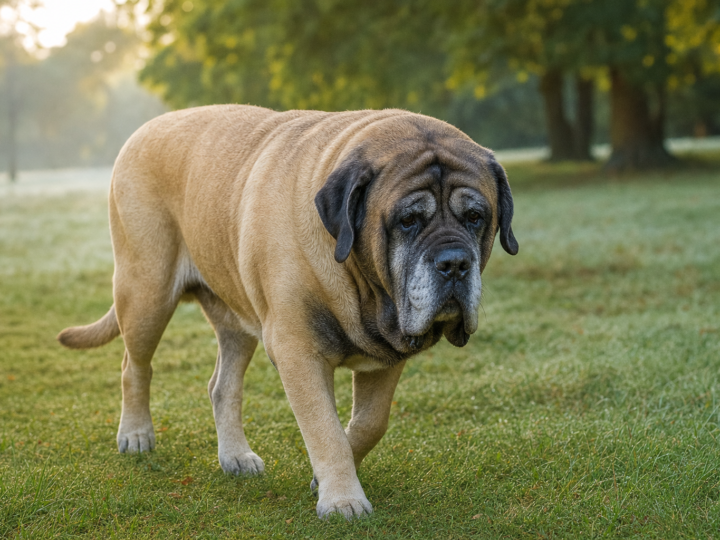
Joint load rises with body weight, and it rises faster than you would expect once a dog moves at speed. A trotting dog puts well over her own body weight through a single front limb at the moment of contact, so a heavy dog is repeating a very large load with every stride. Add a long lever arm from a big frame and you have a structure doing hard work all day.
Large breeds also mature slowly, which stretches out the window where the frame is still finishing, and many of them are enthusiastic athletes who will happily run past the point of sense. None of that is a problem in itself. It simply means that the small daily choices, a few pounds of body weight, a rug on a tiled hallway, a ramp instead of a leap out of the tailgate, add up to a great deal more for a big dog than a small one.
There is a timing difference too. Big dogs reach their senior years earlier than small ones, and many large breeds are considered senior somewhere around six or seven while a small terrier of the same age is still in her prime. That shifts the whole calendar forward. The habits you might imagine starting when your dog is ten are worth having in place several years sooner for a large breed, simply because her clock runs faster than a small dog’s does.
What joint support looks like at each stage
Priorities shift as your dog ages. This is where to put your attention at each point.
| Stage | What is happening | Where to focus |
|---|---|---|
| 1 to 3 years | Frame finishing, peak energy | Lean weight, build fitness gradually |
| 3 to 6 years | Prime adult, heavy daily use | Consistent exercise, daily joint support |
| 6 to 8 years | Early changes often start quietly | Watch for hesitation, protect surfaces |
| 8 to 10 years | Recovery takes longer | Shorter frequent walks, ramps, warm bedding |
| 10 years plus | Comfort and confidence matter most | Traction everywhere, veterinary partnership |
Cornell University’s College of Veterinary Medicine covers how growth rate, nutrition, and exercise interact with joint development in large breed dogs. Read more from Cornell’s canine hip dysplasia overview.
When should you start supporting a big dog’s joints?
Earlier than most Dog Parents think. The instinct is to start when you notice something, but by the time a dog is visibly stiff she has usually been compensating quietly for a while. Dogs are excellent at hiding discomfort, and the first signs are behavioural rather than dramatic. She hesitates at the bottom of the stairs. She thinks twice about the jump into the car. She takes the long way around the slippery kitchen floor.
The window that pays you back
For most large breeds the useful starting point is early adulthood, somewhere between one and three years, once the growth window has closed. That is when daily habits become a routine rather than a project, and when the frame is doing full adult work. Starting then costs you nothing except a little attention, and it means the supportive habits are already in place during the years when they matter most. If your dog is already six or eight, starting today is still the right move. The second best time is always now.
Excess Weight
The single biggest lever you control. Every extra pound is carried through the joints all day, every day.
Hard Landings
Jumping out of a tailgate or off high furniture concentrates a lot of force into one moment.
Slippery Floors
Tile and hardwood cause splayed legs and bracing. Runners and rugs cost little and change everything.
Weekend Warrior Days
Six quiet days then one huge hike is harder on a big dog than steady daily movement.
Weight is the lever that moves everything else
If you do one thing from this article, do this one. A lean big dog moves more comfortably, tires less and asks less of every joint. It is also free, and it works whether your dog is two or twelve.
- Feed measured meals rather than leaving a bowl down, so you can see exactly what your dog eats.
- Count treats, chews and training rewards inside the daily total, not on top of it.
- Adjust portions with the seasons, since most dogs need less through a quiet winter.
- Weigh your dog at the veterinary clinic every few months, because gradual gain is invisible at home.
- If your dog needs to lose weight, aim for slow steady loss under veterinary guidance rather than a crash change.
How to check body condition in ten seconds
The scale gives you a number. Your hands give you the answer.
- Ribs. Run your hands along the sides. You should feel the ribs easily under a thin layer. If you have to press, ease back on portions.
- Waist. Look down from above. You want a clear waist behind the ribs.
- Tuck. From the side, the belly should rise toward the back legs rather than hanging level.
Check monthly. Small early adjustments are far easier than a big correction later.
Joint friendly exercise for a big dog
Movement is medicine for joints, and the muscle around a joint is part of what supports it. The aim is regular moderate activity rather than occasional heavy effort.
- Favor daily walks of moderate length over one long weekend expedition.
- Choose grass, trails and soft ground over pavement where you can.
- Warm up with a few minutes of easy walking before anything faster.
- Keep repeated jumping, hard sprints and sharp turns occasional rather than routine.
- Swimming is excellent, because it builds muscle with almost no impact.
- Watch for the sit down moment and finish before your dog is exhausted.
Consistency is what makes this work. A dog who walks forty minutes every day is carrying better muscle than a dog who does three hours on Sunday and very little in between, and muscle is part of what holds a joint steady. If your schedule is genuinely unpredictable, a short walk on a busy day still beats nothing, because you are protecting the routine rather than chasing a distance.
Adding daily joint support
Alongside weight and movement, many Dog Parents add a daily joint support chew made for bigger dogs. It is the easiest of the five habits to keep, because it takes about four seconds and rides along with a meal you are already giving.
MoveGuard Adult is built for this job in medium and large breed adult dogs from 25 to 75 pounds and up. It is led by clinically studied eggshell membrane and New Zealand Green Lipped Mussel, alongside glucosamine, chondroitin, MSM, hyaluronic acid and vitamins C and E, to support comfortable, easy movement. The daily serving follows weight, so a 25 to 50 pound dog takes one chew and a 50 to 75 pound dog and up takes two, with senior dogs aged seven and over using the higher amount for their weight and given six to eight weeks to see the full effect. A jar holds 60 chews, which lasts 30 to 60 days depending on the tier, and it carries a 60 day money back guarantee. It currently holds a 5.0 star rating from 325 reviews.
More Good Years On The Same Four Legs
Daily joint support built for medium and large breed adult dogs. Explore MoveGuard Adult.
Signs your dog’s joints are doing well
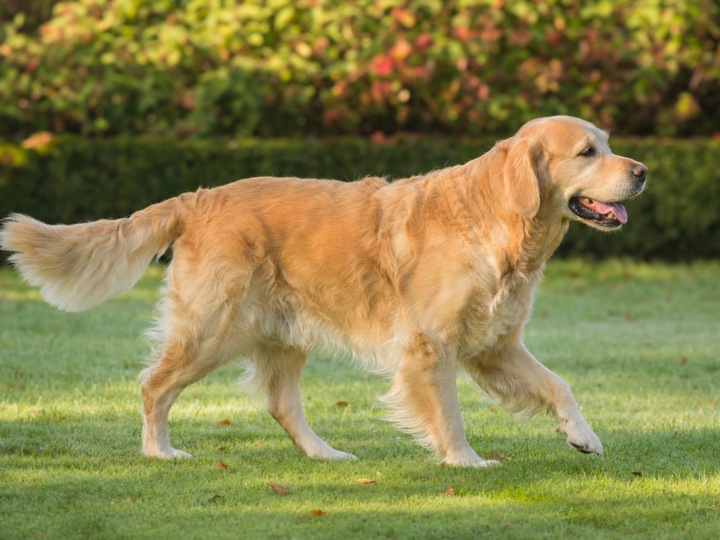
You want a dog who rises from a lie down without ceremony, takes stairs at a normal pace, moves evenly at a trot with no head bob, settles comfortably in several positions, and is as keen on the third walk of the week as the first.
Worth a veterinary conversation: stiffness that is worse after rest, hesitation at stairs or the car, licking at a joint, sitting oddly, a shortened stride, or reluctance to do something she used to enjoy. None of these mean something is wrong, and all of them are worth a professional look rather than a wait and see.
The phrase to be careful with is slowing down. It gets used to explain away a great deal, and while an older dog genuinely does have less appetite for a long day out, a dog who is quietly avoiding specific movements is telling you something more specific than age. If your dog still wants to come but hesitates at one particular thing, the stairs, the jump into the car, the first minute after a nap, that pattern is worth describing to your veterinarian in exactly those words.
A simple joint game plan, stage by stage
The right emphasis at the right time, and nothing complicated.
1 to 3 years. Set the baseline. Establish a lean body condition, build fitness gradually rather than all at once, put runners down on slick floors, and teach your dog to use a ramp for the car before she needs one.
3 to 6 years. Prime years and heavy daily use. Keep exercise consistent, keep weight steady, and make daily joint support part of the routine while everything still looks perfect.
6 to 8 years. Pay attention. Changes often start quietly here, so note the small hesitations. Keep the walks going, shorten them if needed, and mention anything new at the annual checkup.
8 years and up. Comfort first. Trade one long walk for two or three short ones, add traction and a supportive bed, use ramps everywhere, keep the weight down firmly, and work closely with your veterinarian on a plan for your individual dog.
Common mistakes to avoid
- Waiting for a limp. By the time discomfort is visible, a dog has usually been compensating for a while. Support the joints while things look good.
- Letting weight creep. Five pounds on a big dog is easy to miss and travels through every joint all day.
- Stopping exercise entirely. Rest has its place, but muscle supports joints. Less impact is the goal, not less movement.
- Ignoring the floors. Slippery surfaces make a dog brace and scramble constantly. Rugs are the cheapest upgrade in this entire article.
- Starting and stopping supplements. Joint support works as a daily routine over months, not as an occasional gesture.
- Skipping the veterinarian. A yearly exam catches changes long before you would spot them at home.
The home setup that protects big dog joints
Most of the load on your dog’s joints happens at home, in the ordinary moments you stop noticing. A few changes remove a surprising amount of daily strain.
Traction. Runners on hardwood and tile, especially on the routes your dog takes at speed and around her food bowl and door. Keep the fur between the paw pads trimmed so the pads themselves can grip.
Ramps and steps. A car ramp removes the single hardest landing in most dogs’ week. Pet steps do the same for a favourite sofa, and dogs learn both quickly with treats and patience.
Bedding. A supportive bed big enough for your dog to stretch out on fully, kept away from drafts. Big dogs sleep a lot, and hard floors are unkind to bony elbows and hips.
Bowls and stairs. Raised bowls suit some big dogs, so ask your veterinarian what fits yours. If your home has stairs, a gate for the times you cannot supervise saves a lot of enthusiastic charging up and down.
Frequently asked questions
How do I support healthy joints in a large breed dog?
Keep a lean body condition, give daily low impact exercise, add traction on slippery floors and a ramp for the car, use a daily joint support chew made for medium and large breeds, and keep regular veterinary checkups. Weight and daily load matter most.
When should I start joint support for a big dog?
Most large breeds benefit from starting in early adulthood, roughly one to three years, once the growth window has closed. If your dog is older, starting now is still worthwhile.
Does my dog’s weight really affect her joints that much?
Yes. Body weight is the single biggest factor you control, because a dog carries it through every joint with every step. Keeping a big dog lean supports comfortable movement at every age.
How much exercise should a large breed dog get?
Regular moderate daily activity beats occasional heavy effort. Aim for consistent walks on soft or grippy ground, warm up before anything faster, and keep repeated jumping and hard sprints occasional.
Do joint supplements work for large breed dogs?
A daily joint support chew formulated for medium and large breeds is a sensible part of a routine that also includes lean weight and steady exercise. Give it consistently for six to eight weeks and discuss your individual dog with your veterinarian.
The bottom line
Supporting a big dog’s joints is not one big decision. It is five small ones repeated for years. Keep her lean, keep her moving in a way that builds muscle without pounding, make the house grippy and the landings soft, add a daily joint support chew built for her size, and let your veterinarian see her every year. Do those things from early adulthood and you give your dog the best possible shot at moving comfortably and confidently deep into her senior years.
Want the roadmap in one place? Grab our free Big Dog Growth Blueprint for the growth window checklist, feeding framework and joint safe exercise limits, all written for large and giant breeds.
This article is for general educational purposes only and is not veterinary advice. It is not intended to diagnose, treat, cure or prevent any disease. Always consult your veterinarian about your dog’s individual health, nutrition and supplement needs. These statements have not been evaluated by the Food and Drug Administration.
Support Big Breed Joints from Day One
Large and giant breeds carry more load through every growth stage. MoveGuard Growth supports developing joints in young big dogs (8 to 30 months); MoveGuard Adult keeps grown big dogs moving comfortably.
Leave a Reply