
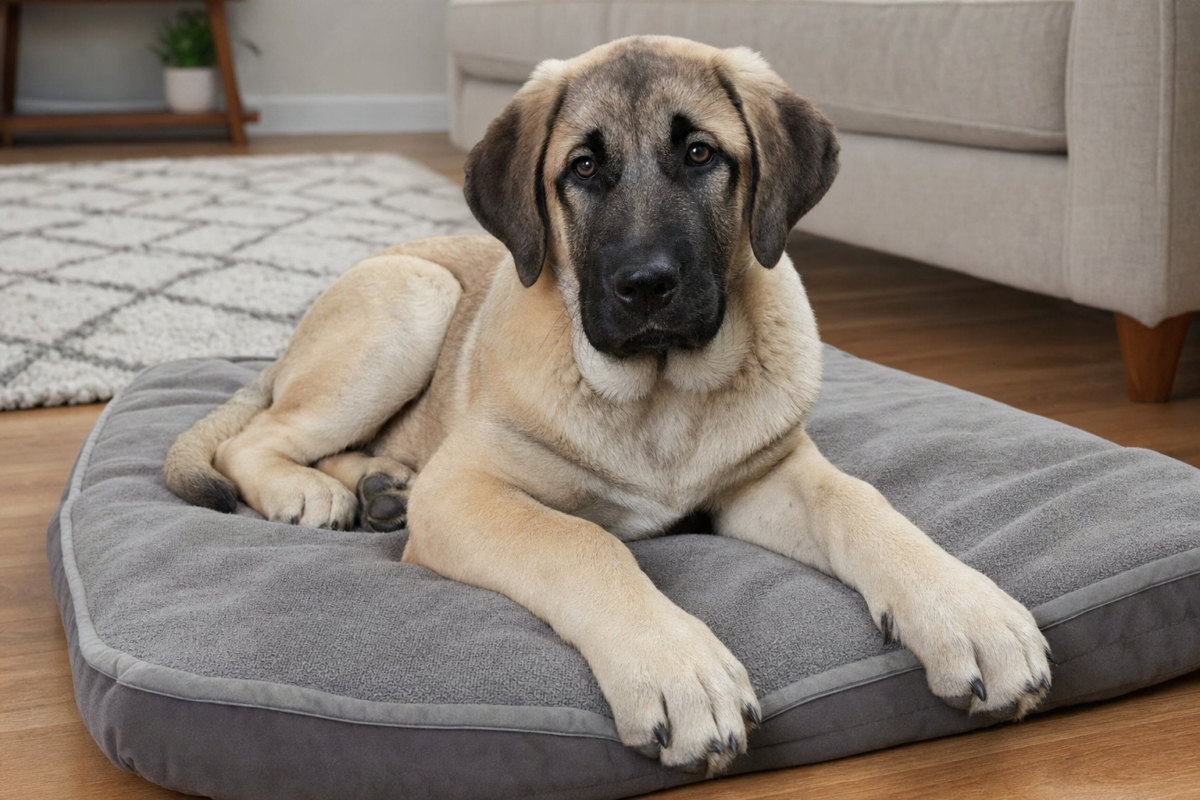
Teach a big puppy to settle by giving them a fixed place to do it, rewarding calm rather than asking for it, and protecting sleep. Put a mat or bed in the room where your family actually sits, quietly drop a treat between your puppy’s paws every time they lie down on it, start with thirty seconds and build to twenty minutes over several weeks, and use a tether or a pen while the habit is young. Most large breed puppies need 18 to 20 hours of sleep a day, so a puppy who cannot settle is usually overtired rather than underexercised.
A large breed puppy who will not settle turns an entire household upside down. The pacing, the mouthing, the pestering at six in the evening, the sense that you have to keep this puppy busy every waking minute: it is exhausting, and with a dog who will one day weigh a hundred pounds it can feel urgent. Here is the reassuring part. Settling is a skill you teach, not a temperament you wait for, and big puppies learn it well once you set the day up so that calm is easy and rest is protected.
How do I teach a big puppy to settle?
Teach a big puppy to settle by pairing a specific place with calm. Choose a mat or bed in the busiest room of your home, guide your puppy onto it, and quietly deliver a small treat every few seconds while they are lying down, gradually stretching the gap between treats. Keep early sessions to a minute or two, do them several times a day, and use a tether, a pen or a closed door so that wandering off is not an option while the habit forms. Then protect naps, because a big puppy who is short on sleep cannot settle no matter how well you train.
Why big puppies find settling hard
Large breed puppies are not being difficult. Three things are working against them at once.
The first is sleep debt. Puppies need roughly 18 to 20 hours of sleep in every 24, and most young dogs in a busy home get nowhere near that. An overtired puppy looks wired rather than sleepy, exactly like an overtired toddler, and the behaviour that follows is frantic rather than calm.
The second is that calm is rarely rewarded. Most of us speak to a puppy when they are nudging us and ignore them the moment they are lying quietly in the corner, which teaches precisely the opposite of what we want. Attention is the currency, and the puppy learns which behaviour buys it.
The third is growth itself. A big puppy is running a demanding construction project inside a fast growing frame, and that project is powered by rest. Growing bodies lay down bone, cartilage and muscle during deep sleep, which is why settling is not only a manners question for a large breed. It is part of how the frame gets built well.
How long can a puppy realistically settle?
Expectations cause more frustration than technique. This table gives a realistic target for a trained settle, alongside the daily sleep a large breed puppy needs. Treat both as a guide and let your own puppy set the pace.
| Age | Realistic settle length | Daily sleep needed |
|---|---|---|
| 8 to 10 weeks | 30 seconds to 2 minutes | 18 to 20 hours |
| 10 to 16 weeks | 2 to 5 minutes | 18 to 20 hours |
| 4 to 6 months | 5 to 15 minutes | 16 to 18 hours |
| 6 to 12 months | 15 to 30 minutes | 14 to 16 hours |
| 12 to 18 months | 30 to 60 minutes | 12 to 14 hours |
| 18 months plus | A full evening | 12 to 14 hours |
Notice how modest the early numbers are. A twelve week old giant breed puppy who holds a settle for three minutes while you drink a coffee is doing beautifully. Asking that same puppy to lie quietly through a two hour dinner party is asking for a failure that teaches nothing.
When settling starts to click
Most large breed puppies show a real change between five and eight months, once the training has been consistent for a while and the adolescent brain begins to hold still. Expect a wobble somewhere between eight and fourteen months, when adolescence arrives and your previously calm puppy appears to forget everything. That wobble is normal and it passes. Keep the routine identical, lower your expectations for a few weeks, and the settle comes back stronger.
Why rest matters during the growth window
A large breed puppy grows for a long time, roughly 8 to 30 months depending on adult size, and sleep is when most of that building happens. A puppy who is never off duty is short on the deep rest that supports healthy development, and is also more likely to be pushed into the kind of frantic zooming and hard landings that ask a lot of a young frame. Teaching settle is one of the quieter ways of protecting a growing body.
More Exercise
Answering restlessness with a longer walk builds a fitter puppy who needs more. Rest and enrichment settle a big puppy better than mileage.
Rewarding Pestering
Any attention, including a firm no, pays the puppy for nudging. Notice and reward the quiet moments instead.
No Fixed Place
Settling everywhere is much harder than settling somewhere. One mat gives the behaviour an address.
Skipped Naps
An overtired big puppy looks hyper, not sleepy. Most evening chaos is a sleep problem wearing a costume.
The settle routine, step by step
This is the whole method. It takes ten minutes a day and works on any large or giant breed.
- Choose the place. A flat bed or mat, big enough for a grown dog of your breed, in the room where your family actually spends evenings. Not a back room, and not somewhere your puppy is sent when they are in trouble.
- Make it pay. Wait for your puppy to step on the mat, then quietly drop a treat between their front paws. Say nothing exciting. Excitement is the opposite of the lesson.
- Reward the shape you want. Feed only when your puppy is lying down, and feed at the mat rather than from your hand, so the mat itself becomes the good place.
- Stretch the gaps. Start with a treat every three or four seconds, then every ten, then every thirty. If your puppy gets up, that is information rather than failure. Shorten the gap and try again.
- Add a cue late. Once your puppy heads for the mat on their own, start saying settle as they lie down. Naming a behaviour before it exists just teaches your puppy to ignore the word.
- Use management while it is young. A tether clipped to a harness, a pen or a baby gate stops the practice of wandering off. It is not a punishment, it is a way to make the right answer the easy answer.
- Finish on your terms. Release with a quiet word and a hand on the collar rather than letting your puppy decide the session is over.
Pair it with a long lasting chew or a stuffed feeder a few times a week. Chewing lowers arousal all on its own, and a big puppy who chews themselves to sleep on the mat is rehearsing exactly the association you want.
How to tell tired from wired in ten seconds
Before you reach for the lead, read the puppy in front of you. These three checks take seconds and almost always point the same way.
- The mouth. Loose, sloppy mouthing and grabbing at sleeves is an overtired puppy. A genuinely understimulated puppy brings you a toy instead.
- The eyes. Hard, darting eyes and an inability to take a treat gently mean arousal is high. Soft eyes and slow blinks mean sleep is close.
- The clock. Count back to the last real nap. If it is more than about ninety minutes for a young puppy, the answer is a nap, not a walk.
Building a day that makes calm easy
Training a settle in a day with no structure is uphill work. The rhythm matters more than the total activity.
- Work in short cycles of about ninety minutes: toilet, a little activity, food or chewing, then a nap in a quiet place.
- Keep activity moderate and age appropriate, because exercise for a large breed puppy is meant to be short and low impact while the frame is still forming.
- Use sniffing walks rather than fast ones. Ten minutes of nose work tires a big puppy more thoroughly than twenty minutes of heeling.
- Feed some meals from puzzle feeders and scatter feeds. Slow, thoughtful eating is calming.
- Protect the evening. Aim for the last active session to finish well before you want quiet, so your puppy has time to come down.
- Give naps somewhere genuinely restful. A pen, a crate or a quiet corner beats the middle of a busy kitchen, and crate training a large breed puppy makes protected sleep far easier to arrange.
Comfort, surfaces and the growing frame
A puppy settles best somewhere that is actually comfortable to lie on. Big puppies have bony elbows and hocks, and a thin mat over a hard floor is not an inviting place to spend an evening. Choose a supportive bed with room to stretch out fully, keep it away from draughts and foot traffic, and put a runner or rug on any slippery floor between the bed and the door so your puppy is not scrabbling on their way to it.
Alongside rest, steady feeding and sensible activity, many big dog parents support healthy joints daily through the growth years. MoveGuard Growth is built for exactly this stage. It combines nine actives, including New Zealand Green Lipped Mussel, glucosamine, chondroitin, MSM and hyaluronic acid, to support healthy joint development, cartilage and connective tissue across the roughly 8 to 30 month growth window. You dose by expected adult weight, so most large breed puppies sit at two chews a day with the biggest at three. It ships as 90 chews, is made in the USA in an NSF facility, and carries a 60 day guarantee.
Support The Growing Years
Daily joint support built for large and giant breed puppies. Explore MoveGuard Growth.
Signs the settle is working
Progress in this skill is quiet, so it is easy to miss. Look for a puppy who walks to the mat without being asked, who sighs and rolls onto a hip instead of lying in a coiled sphinx position, who sleeps through a doorbell, and who can be near you while you eat without pestering. A hip roll and a deep sigh are the two clearest signals that your puppy has genuinely switched off rather than waiting for the next thing to happen.
If your puppy cannot settle at all despite weeks of consistent work, will not sleep even in a quiet room, or seems restless in a way that looks uncomfortable rather than excitable, have a word with your veterinarian. Persistent restlessness is worth a professional look.
A stage by stage plan
8 weeks to 4 months. Foundation stage. Set up the mat, reward calm many times a day in very short sessions, and protect naps ruthlessly. Aim for a puppy who can hold a settle for two or three minutes and who naps in a pen without protest.
4 to 8 months. Build duration and start adding mild distraction: television on, someone walking past, a meal at the table. Keep sessions short enough to succeed. Introduce the settle cue now that the behaviour is reliable.
8 to 18 months. Adolescence. Expect a step backwards and do not take it personally. Hold the routine, lower the difficulty for a few weeks, and keep rewarding calm. Take the settle to new places: a friend’s house, a quiet café patio, the back of the car.
18 months onwards. Maintenance. Your adult dog should hold a settle for a whole evening. Keep the mat in the room, keep the occasional reward coming, and take the mat with you when you travel so the habit has its address wherever you go.
Common mistakes to avoid
- Answering restlessness with exercise. More mileage builds stamina and the demand grows with it. Rest and chewing settle a big puppy where a second walk does not.
- Asking for too much too soon. A puppy who fails a twenty minute settle at four months has learned that the mat is hard. Build in small steps.
- Using the mat as a punishment. If your puppy is sent there when you are cross, the mat stops being a good place.
- Talking through the settle. Praise in a warm voice wakes a puppy up. Deliver the treat quietly and let sleep happen.
- Letting the puppy end the session. If getting up always works, getting up becomes the plan. Release your puppy before they release themselves.
- Giving up during adolescence. The wobble at eight to fourteen months is the point where most Dog Parents stop. Carry on and the skill returns.
Breed temperament and what settling looks like
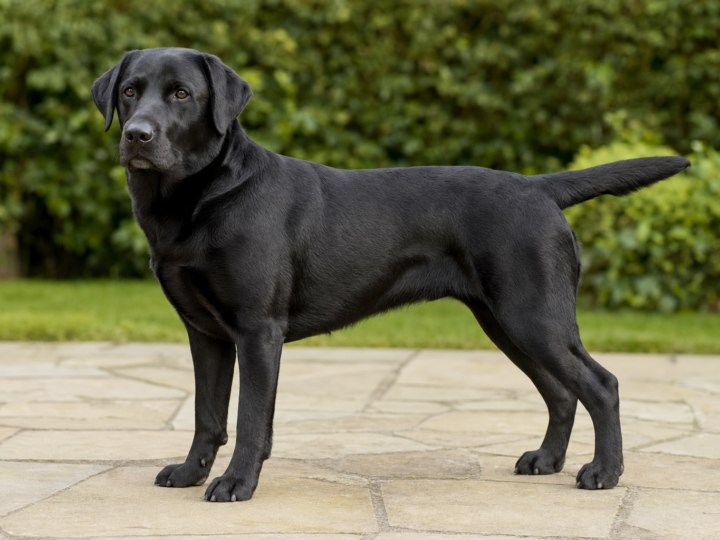
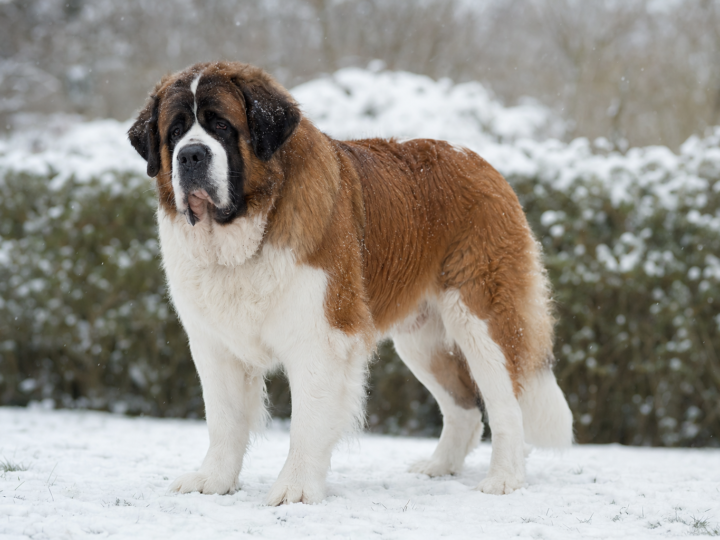
Not every big breed arrives with the same off switch, and knowing your breed sets fair expectations. Livestock guardian breeds such as Anatolian Shepherds and Great Pyrenees often settle readily indoors but stay alert to sound, so a quiet room away from the front window helps. Working and herding breeds like German Shepherds and Belgian breeds have a strong drive to act and usually need more structured enrichment before they can switch off. Retrievers and other sociable breeds settle well but want to be near their people, which is exactly why the mat belongs in the living room rather than the back hall. Giant breeds such as Great Danes and Mastiffs are often the easiest of all, since they are naturally low energy indoors once their modest activity needs are met.
Whatever your breed, the method does not change. The place, the reward for calm, and protected sleep do the work. What changes is the pace, and matching your expectations to your breed keeps the training kind for both of you.
Frequently asked questions
How long does it take to teach a big puppy to settle?
Most large breed puppies show a clear improvement within two to three weeks of daily practice, and hold a genuine settle for twenty minutes or more by around six months. Expect a step backwards during adolescence between eight and fourteen months, then a return to reliable calm.
Why is my big puppy so hyper in the evening?
Evening frenzy is almost always an overtired puppy rather than an underexercised one. Large breed puppies need 18 to 20 hours of sleep a day when young, so count back to the last real nap before reaching for the lead, and build a quiet wind down into the hour before you want calm.
Should I use a crate to help my puppy settle?
A crate or a pen is a helpful tool for protected sleep, which makes settling in the room much easier. Introduce it gradually with food and chews so it becomes a restful place rather than a place your puppy is sent, and keep the settle mat separate for time spent with the family.
Does more exercise help a puppy settle?
Usually not. More mileage builds a fitter puppy whose demands grow, and hard impact is best kept moderate while growth plates are open. Sniffing walks, chewing, puzzle feeders and short training sessions lower arousal far more effectively than a longer walk.
What if my puppy only settles when I am sitting still?
That is a normal early stage. Build movement in gradually: stand up and sit back down, take one step away and return, then walk across the room. Reward your puppy for staying put at each small step rather than jumping straight to leaving the room.
The bottom line
Settling is a skill, and a big puppy can learn it in a few weeks with three ingredients: a fixed place, quiet rewards for calm, and enough protected sleep. Keep the sessions short, build duration slowly, use a tether or pen while the habit is young, and read tiredness rather than assuming boredom. Do that through the growth years and you end up with what every big dog parent wants, a large, powerful dog who is easy to live with in a quiet house.
Want the simple roadmap in one place? Grab our free Big Dog Growth Guide for the growth window checklist, feeding framework and joint safe exercise limits, all written for large and giant breeds.
This article is for general educational purposes only and is not veterinary advice. It is not intended to diagnose, treat, cure or prevent any disease. Always consult your veterinarian about your dog’s individual health, nutrition and supplement needs. These statements have not been evaluated by the Food and Drug Administration.
Support Big Breed Joints from Day One
Large and giant breeds carry more load through every growth stage. MoveGuard Growth supports developing joints in young big dogs (8 to 30 months); MoveGuard Adult keeps grown big dogs moving comfortably.
Leave a Reply